As I was taking a Peloton On Demand spin class with Robin Arzon, her words resonated with me. My #LeadPositive vision and journey which started six years ago has been a challenge the last few weeks. The country (and world) has been attacked by a virus, my school is closed and my worries have escalated, especially about my students and families who I know need the comfort and connections of school, and my husband has been called to serve once again, leaving my own family without our rock and the person who keeps our family at its best.
Some find this hard to believe, but I was always a worry wort. My mother had to get me a worry stone as an adolescent, and I did a lot of praying to help me get through imagining the worse. With a lot of love and support, and the desire to find the beauty in life, I was able to shift my mindset and my outlook on life. I choose to be a glass overflowing person, yet it is not an easy feat right now.
With all of these concerns consuming me (and without Mack here to help me through it), I started to revert back to the fear and worries. I worry about his safety, my son's medical health, my daughter's first year of college, my parents (all 4 who are elderly with healthy complications), and then my staff and students, especially those students who find comfort and safety in school. At first the business of the pandemic and the educational shift kept me too busy to worry, but as a new routine developed, the anxiety started to creep in and the worries escalated. However, one morning as I listened to Arzon tell me (and the other 30K riders) that we don't always have to be positive but we need to illuminate with hope and sometimes bend so we don't break. I needed her words; they really helped me shift and adapt my mindset back on track.
We are not in this alone. So many educators, medical professionals, families, and essential employees are coming together for the greater good. So here's my hope--what is illuminating my life and vision: we need to make the best of this horrific occurrence. Let's return to human connection, empathy, and appreciation for others and the blessings that we do have. Let us take this adversity and use it to bring us together, to remind us of our duty to each other and the strength to overcome obstacles. I choose to find hope, and I will embed these emotions into my being to help me to never lose focus on the power of love, hope, empathy, appreciation, and connectedness. I hope you do too.

Positivity Can Be Contagiously Rewarding: Negativity, Destroying
Showing posts with label positivity. Show all posts
Showing posts with label positivity. Show all posts
Friday, April 17, 2020

Saturday, December 7, 2019
#MEMSPA19 Superhero Conference: Super Epic
Wow! What a conference....the best one yet. I have been so fortunate to be a part of the Michigan Elementary and Middle School Principals Association, and serve on the board for the past six years. It was thirteen years ago where I connected with now president, Michelle Allen, who took me in and truly made me feel like I didn't make the biggest career mistake by taking on the principalship. Fast forward to the present day, and the entire MEMSPA family (office staff, our amazing executive director, the board, our LM facilitators/coaches, my region leadership, and the entire amazing network of members continue to inspire me to be a better leader. I always leave the conference with ideas to put into practice to help support my staff and students. This year continued the trend. Not only did the people and experience fill my bucket, but the new knowledge and reminders were just what I needed during this challenging year.

Takeaways:
This year's theme was a great one. We have so many super principals, and the themes that I am taking away this year include relationships, whole child, and self care.
Sanfelippo reminded us how important it is to making the "awe" moments visible to others. His examples and practices are one of the most crucial elements to helping change the story in education. Throughout all the sessions, relationships were a common theme. Positivity Project leaders discussed how their work has transformed their schools and relationships with and among all stakeholder groups.
Also the theme of the whole child was evident in several of the sessions. John Maxwell's quote: "Students don't care how much you know until they know how much you care" is even a greater reality now. We need to start with important basic skills that students are lacking before even tackling the curriculum. Ben and his amazing team from Warner shared their practices to be champions for kids and how PBIS earnings that involve time with adults is so valuable (and free!). We need to have positive interactions with students (and staff) every single day. In the last 30+years, empathy has decreased 40% while narcissism has increased 30%. What are we going to do about this? I learned from Domagalski, Weldon, and Swegles that empathy has to be a part of every curriculum. It's a must have for a better school culture--and for a better world! It's not one more thing on the plate. It is the plate. I also learned from Allen that we need to work to flip our tier support triangle and ways to do just that.
Trust with students and staff is so vital. Dr. Anthony Muhammad reminded us of this in his keynote. He also reviewed the change process and making sure that we have a rational system that includes the Communication: why (cognitive), Trust: who (emotional), Support/Capacity: how (functional), and the Accountability: do (return). Healthy cultures are a mutual relationship which includes a balance of support and accountability. He reminds us that ordering people to change doesn't work, but neither was leaving them alone.
Self care and teacher care were also hot topics, and several ideas are swarming in my head on how to better support our staff and selves in addition to our students. Our infamous Dr. Debbie McFalcone reminds us of our own self-awareness and the impact of our emotions as well as the importance of feedback. Dr. Marcia Tate shared research on the order of change (along with some amazing presentation protocols). We need to be better about our attitudes as leaders and educators, but our behaviors are even more crucial. Order of change: leader/teacher behaviors, student outcomes, then in time leader/teacher attitudes. Interesting order of change: BOA: Behaviors, outcomes, attitudes. We start by changing our own behavior. She also reminded us that laughter will add 10 years to our lives. I need to laugh more!
I was excited to present on my leadership vision of #LeadPositive, and I feel very honored being recognized this year by region 2. My success comes from the wonderful professionals on my team. I am very fortunate to have caring and dedicated professionals with me--supporting our kids.
Shout Outs:
Region 2 principals, especially those in Washtenaw County who serve on the regional board, have been amazing supports and partners in our efforts to bring the benefits of MEMSPA to our region. You all are my forever friends, and I love you immensely.
Several principals were honored during the conference, and I am very excited to see Amie McCaw recognized as our Michigan Principal of the Year. She leads by example in not only her amazing school but also the state as a whole. She has worked the last several years to secure and offer meaningful, thought-provoking PD for MEMSPA principals. Congrats, Amie!
In addition, I am honored to call Madame President, Michelle Allen, my mentor and friend. She did an amazing job this week leading and celebrating principals. Thank you, Michelle! Thanks for all of our past presidents as well. We have a long line of mentors and MEMSPA supporters.
Thank you to our lovely Leadership Matters facilitators, Debbie and Derek! Your love, passion, enthusiasm, and care for our members is like no other. We are all better leaders because of you.
Other faces of MEMSPA include Allyson Aspey, David Simpson, Jon Wennstrom, Ben Gilpin, Jeremy Patterson, and our very own rockstar, Mike Domagalski. Your leadership, advocacy, support of others and our growth in the profession are unmatched. Thank you for your leadership and most of all friendship. The entire board and region representatives are truly assets to not only the organization but the profession as a whole. Thank you!
Lastly, the MEMSPA office needs recognized for the countless hours, thought, and details that went into making this conference EPIC! Thank you Annette for your 30+ years of service and making sure that everyone and everything are perfect. Taryn--thank you for your tech superpowers, details, and unflagging support of MEMSPA and principals. Syndee--you have been an amazing addition to our organization. Your contacts, drive, vision, and most of all, your caring, loving personality for all of our members have been evident. Last but not least, Paul. Your mentorship, vision, care, and connections have been the face and heart of MEMSPA. Thank you for putting so much time, and most importantly, love, into our association.

Takeaways:
This year's theme was a great one. We have so many super principals, and the themes that I am taking away this year include relationships, whole child, and self care.
Sanfelippo reminded us how important it is to making the "awe" moments visible to others. His examples and practices are one of the most crucial elements to helping change the story in education. Throughout all the sessions, relationships were a common theme. Positivity Project leaders discussed how their work has transformed their schools and relationships with and among all stakeholder groups.
Also the theme of the whole child was evident in several of the sessions. John Maxwell's quote: "Students don't care how much you know until they know how much you care" is even a greater reality now. We need to start with important basic skills that students are lacking before even tackling the curriculum. Ben and his amazing team from Warner shared their practices to be champions for kids and how PBIS earnings that involve time with adults is so valuable (and free!). We need to have positive interactions with students (and staff) every single day. In the last 30+years, empathy has decreased 40% while narcissism has increased 30%. What are we going to do about this? I learned from Domagalski, Weldon, and Swegles that empathy has to be a part of every curriculum. It's a must have for a better school culture--and for a better world! It's not one more thing on the plate. It is the plate. I also learned from Allen that we need to work to flip our tier support triangle and ways to do just that.
Trust with students and staff is so vital. Dr. Anthony Muhammad reminded us of this in his keynote. He also reviewed the change process and making sure that we have a rational system that includes the Communication: why (cognitive), Trust: who (emotional), Support/Capacity: how (functional), and the Accountability: do (return). Healthy cultures are a mutual relationship which includes a balance of support and accountability. He reminds us that ordering people to change doesn't work, but neither was leaving them alone.
Self care and teacher care were also hot topics, and several ideas are swarming in my head on how to better support our staff and selves in addition to our students. Our infamous Dr. Debbie McFalcone reminds us of our own self-awareness and the impact of our emotions as well as the importance of feedback. Dr. Marcia Tate shared research on the order of change (along with some amazing presentation protocols). We need to be better about our attitudes as leaders and educators, but our behaviors are even more crucial. Order of change: leader/teacher behaviors, student outcomes, then in time leader/teacher attitudes. Interesting order of change: BOA: Behaviors, outcomes, attitudes. We start by changing our own behavior. She also reminded us that laughter will add 10 years to our lives. I need to laugh more!
I was excited to present on my leadership vision of #LeadPositive, and I feel very honored being recognized this year by region 2. My success comes from the wonderful professionals on my team. I am very fortunate to have caring and dedicated professionals with me--supporting our kids.
Shout Outs:
Region 2 principals, especially those in Washtenaw County who serve on the regional board, have been amazing supports and partners in our efforts to bring the benefits of MEMSPA to our region. You all are my forever friends, and I love you immensely.
Several principals were honored during the conference, and I am very excited to see Amie McCaw recognized as our Michigan Principal of the Year. She leads by example in not only her amazing school but also the state as a whole. She has worked the last several years to secure and offer meaningful, thought-provoking PD for MEMSPA principals. Congrats, Amie!
In addition, I am honored to call Madame President, Michelle Allen, my mentor and friend. She did an amazing job this week leading and celebrating principals. Thank you, Michelle! Thanks for all of our past presidents as well. We have a long line of mentors and MEMSPA supporters.
Thank you to our lovely Leadership Matters facilitators, Debbie and Derek! Your love, passion, enthusiasm, and care for our members is like no other. We are all better leaders because of you.
Other faces of MEMSPA include Allyson Aspey, David Simpson, Jon Wennstrom, Ben Gilpin, Jeremy Patterson, and our very own rockstar, Mike Domagalski. Your leadership, advocacy, support of others and our growth in the profession are unmatched. Thank you for your leadership and most of all friendship. The entire board and region representatives are truly assets to not only the organization but the profession as a whole. Thank you!
Lastly, the MEMSPA office needs recognized for the countless hours, thought, and details that went into making this conference EPIC! Thank you Annette for your 30+ years of service and making sure that everyone and everything are perfect. Taryn--thank you for your tech superpowers, details, and unflagging support of MEMSPA and principals. Syndee--you have been an amazing addition to our organization. Your contacts, drive, vision, and most of all, your caring, loving personality for all of our members have been evident. Last but not least, Paul. Your mentorship, vision, care, and connections have been the face and heart of MEMSPA. Thank you for putting so much time, and most importantly, love, into our association.
Sunday, December 1, 2019
Keeping the Positive with 7 Reminders from Frozen
 Yes, I am 40 something (almost 50!), and my kids are 16 and 18, but we still ventured out this weekend to see Frozen 2. We all saw the first one together premiere on a Disney Cruise, so my kids partly entertained me by going, but they also wanted to see it. 😉I have used one of Elsa's quotes many times since the first movie came out in 2013. "Let it go" is not only a song from the film that topped the charts, but it has been an important reminder to me when I cannot control everything--no matter how hard I try.
"Let it go." --Elsa
So, the next time someone is not so nice or causes you bad feelings, let it go. Don't hold onto it. Free yourself from the "shoulda, coulda, woulda" syndrome. If you made a mistake, let it go. Apologize, learn from it, but move on. Don't let it, yourself, or others stop you from becoming your best self.
"My love is not fragile."--Kristoff
Even in difficult times or when others do things that have a negative impact, unconditional love is not fragile. We don't stop loving when things become challenging. This is when our love is even more important--and even quite powerful--to some. I think of several of my students going through trauma. These experiences can place a lot of hardship on us, especially when these students do everything in their power to keep control and test our commitment to them. Let the bad stuff go, and let the love and care prevail.
"You are not responsible for their choices."--Anna
This one comes in handy with the previous example. People and how they behave, act, or the choices they make do not need to affect our path to positivity. We may become tested and slip from time to time, but we do not have to let the choices of others determine our own outlook and goals.
"Fear cannot be trusted."--Elsa
We cannot let fear consume us. Fear is the biggest obstacle to trust. Fear is the biggest obstacle to success. We cannot allow fear to stop us from trying, from trusting, from loving. A life without risk will not give us the fullest outcomes. The answer to the doubt of "what if it doesn't work out" is always, "what if it does."
"Show Yourself. Step into your Power." --Elsa
While we may not all have "magical" powers, we do have the power to do great things in our profession and lives. We cannot make the best of ourselves or our lives if we are not putting ourselves out there and stepping up to do the work. We can only expect our students to be as innovative as our teachers, and our teachers as our leaders." How are your leading by example?
"Some people are worth melting for." --Olaf
Education is quite the selfless profession. We give up so much of ourselves to others. We do it without asking for anything in return. The key that I have learned is making sure we take care of ourselves so we can keep on melting for others.
"All one can do is the next right thing." --Anna
This is my favorite. We cannot lose sight of what is right by doing the next right thing. Even when times are hard, the goal is to keep moving forward: one right thing at a time.
Thursday, June 21, 2018
Reflect, Refresh, Forgive, Repeat
 It is during these times of exhaustion, stress, and sometimes hurt that we tend to resort to negatively. This is easy to do when we are in this state. I found myself slipping after some hard to hear feedback, during reviewing data portfolios and completing teacher evaluation meetings, and dealing with escalating student discipline or upset parents. My coping skills are not always the best. I stress eat and revert to unhealthy meals and binging on chocolate. I start to miss a day or two of workouts, but I always forgive myself, lean on the people who are my trusted advisers and friends, and remind myself to snap out of it. We have to allow ourselves time to reflect, to let us feel what we are feeling, but also remember the choice to live and be positive: reflect, refresh, forgive, and repeat.
Monday, November 27, 2017
The Lessons Learned from My Dogs
 |
| Daisy and Rosie |
1) Determination
Daisy will sit and stare for up to an hour while my husband sits in his chair watching TV. With the "treat" jar right next to his chair, she waits patiently, sometimes tapping his leg with her paw or even using proximity, until he caves. If we work hard enough and exercise patience, we can make anything happen.
2) Loyalty
Both Daisy and Rosie are loyal to us and each other. It goes a long way when we demonstrate commitment to students, staff, and the community. We also must be loyal to ourselves and our moral compass while making decisions that we feel are supported and best for our students.
3) Rest
Lazy days are needed. Relaxing in front of the fireplace or hanging out in bed an extra hour is a must to re-energize and fill our buckets. It's easy to burn our candles from both ends, but this will increase our susceptibility to negativity. We must stay rested and strong to keep a positive, growth mindset.
4) Play
The same goes for exercise and play time. Taking time for ourselves is key to being healthier and happier. Finding an exercise that is both fun and satisfying can foster accountability to fitness. Play should be personalized (on our own or with loved ones), but we also need to remember to play with the students too.
5) Affection
Both of our dogs love to hug, wrapping their front legs around our necks. Greeting us with crazy, screaming barks and howls at the door always brings a smile to my face. People need to know that they are cared for and about in life. Hugging, praising, and showing kindness will actually
Lessons can be learned from our four-legged friends. It's time to start paying attention to what they are telling and showing us. We can even model these lessons for our staff and students and pass it on to others.
Wednesday, May 3, 2017
Positive Brand Advocates for Education
As instructional leaders, principals, teachers, and school employees, we must be positive, "net promoters" of our schools and professional organizations. Public education has been the dumping ground for far too many people. As professionals, it is our duty to deflect detractors and negativity being said. People are quick to be critical of education, our schools, and our professional organizations. It is our duty as ambassadors to our students and advocates for our schools to bring to light all the amazing practices that are taking place in our schools.
We are in the business of human beings, and for most of us, these are our little human beings. In addition to teaching them content, standards, and skills needed in the modern world, we are also modeling and teaching them how to be good, empathic, contributing citizens. Furthermore, we are dealing with more trauma, mental health, and social/emotional well-being than ever before. This is no easy task, but as professionals, we face and accept this challenge. Educators work unflaggingly to accomplish these important tasks by combining and intertwining content standards and expectations, individualizing and creating authentic, relevant, and meaningful experiences. On top of this, we are working to learn about and understand each child while providing care, understanding, challenge, and holding them to high expectations. Educators wear more hats and love more people in a day than most people do in an entire year.
We cannot allow people to continue to pass judgement and taint the climate and culture of education. We all need to work to be a part of the solution and not add to the problem. Are there ineffective teachers and leaders? Just as there are incompetent professionals and parents, it is the same for people working in the field of education. We don't categorize all doctors or parents as unqualified because of a few. The majority of educators does not fall into the classification of ineffective. We want to grow, develop, better ourselves and our students. What does this all mean?
We have to STOP being negative about our schools, our teachers, our leaders. We need to build bridges, not walls and support one another. We need to not give others permission to speak badly about education by adding to the negative dialogue. We need to cheer out for our students, our staff, our teachers, and our districts. We need to bombard meetings, social media,inboxes with all of the amazing teaching and learning that is happening. We need to promote the amazing, collaborative professional learning we are experiencing and how we are applying it in our districts. Being a neutral or passive promoter is no longer enough to combat the negativity.
Speak up; share. Be anupstander for education, our professional organizations, our schools, and our teachers. Yell it, tweet it, snap it, post it. A great deal of love, care, innovation, and dedication is present in education. People are only going to know what they see and hear. What type of message are you sharing?
We are in the business of human beings, and for most of us, these are our little human beings. In addition to teaching them content, standards, and skills needed in the modern world, we are also modeling and teaching them how to be good, empathic, contributing citizens. Furthermore, we are dealing with more trauma, mental health, and social/emotional well-being than ever before. This is no easy task, but as professionals, we face and accept this challenge. Educators work unflaggingly to accomplish these important tasks by combining and intertwining content standards and expectations, individualizing and creating authentic, relevant, and meaningful experiences. On top of this, we are working to learn about and understand each child while providing care, understanding, challenge, and holding them to high expectations. Educators wear more hats and love more people in a day than most people do in an entire year.
We cannot allow people to continue to pass judgement and taint the climate and culture of education. We all need to work to be a part of the solution and not add to the problem. Are there ineffective teachers and leaders? Just as there are incompetent professionals and parents, it is the same for people working in the field of education. We don't categorize all doctors or parents as unqualified because of a few. The majority of educators does not fall into the classification of ineffective. We want to grow, develop, better ourselves and our students. What does this all mean?
We have to STOP being negative about our schools, our teachers, our leaders. We need to build bridges, not walls and support one another. We need to not give others permission to speak badly about education by adding to the negative dialogue. We need to cheer out for our students, our staff, our teachers, and our districts. We need to bombard meetings, social media,
Speak up; share. Be an
Sunday, February 26, 2017
Positivity in Trying Political Times: Exercising my Voice
What kind of role model would I be if I didn't advocate for my students, staff, and my and others' livelihoods? While I try to stay positive and hopeful, I cannot stay quiet or passive. This is why I use my voice; this is why I advocate. This is why I march, speak up, and contact/visit legislatures. Others need to step up--stand up for right. Don't expect someone else to do it. We need make progress, be unified and grow, not isolate, hate, or teach fear.
If I want to grow and make decisions that are in the best interest of my students, my staff, and the surrounding community, I have to be aware off all stakeholders. I cannot refuse to meet with someone because they disagree with me. I can't ban people from information and decisions.
I ask our President, his cabinet, and staff to abide by these same standards. I ask our President to make educated, well-thought-out decisions. I ask that he surround himself with leaders who share diverse and expert knowledge. Why can he decide who has access to important information? Why can the secretary of education refuse to meet with people and organizations who opposed her confirmation? This is unacceptable!
Our President and his staff are making decisions that effect my and others' livelihoods. Decisions that could send my husband to war should not be made so irresponsibly. Decisions to band people from our county set us back and teach fear and hate. This goes against the very foundation of America. Decisions that put inexperienced people in important education positions, effect the numerous supports for America's students and the climate of the very important educators who give that care, knowledge, and support to our youth.
I once thought I could stay positive; that our system would not allow one man to undo all we have done. However, I see hate, power, and money guiding our destiny. This means that I cannot stand by silently. I will continue to advocate. I will continue to have a voice. I will continue to be an up-stander. This is what we teach our children. Don't stand back and allow others to be mean, hateful, or bully others. As adults, we should not sit back either. This charge cannot be done alone. We cannot stand by hoping things will get better.
If they won't listen, we need to speak louder. If they will not meet with us, we keep requesting. If they hate, we love. This is not about Democrats or Republicans. It's so much more than that. This is about truly representing our Nation, our people--all of our people. This is about making America better. That cannot be done with the current climate. Let's change that. Be an up-stander for American, education, and our children. Keep contacting your legislatures. #LeadPositive
If I want to grow and make decisions that are in the best interest of my students, my staff, and the surrounding community, I have to be aware off all stakeholders. I cannot refuse to meet with someone because they disagree with me. I can't ban people from information and decisions.
I ask our President, his cabinet, and staff to abide by these same standards. I ask our President to make educated, well-thought-out decisions. I ask that he surround himself with leaders who share diverse and expert knowledge. Why can he decide who has access to important information? Why can the secretary of education refuse to meet with people and organizations who opposed her confirmation? This is unacceptable!
Our President and his staff are making decisions that effect my and others' livelihoods. Decisions that could send my husband to war should not be made so irresponsibly. Decisions to band people from our county set us back and teach fear and hate. This goes against the very foundation of America. Decisions that put inexperienced people in important education positions, effect the numerous supports for America's students and the climate of the very important educators who give that care, knowledge, and support to our youth.
I once thought I could stay positive; that our system would not allow one man to undo all we have done. However, I see hate, power, and money guiding our destiny. This means that I cannot stand by silently. I will continue to advocate. I will continue to have a voice. I will continue to be an up-stander. This is what we teach our children. Don't stand back and allow others to be mean, hateful, or bully others. As adults, we should not sit back either. This charge cannot be done alone. We cannot stand by hoping things will get better.
If they won't listen, we need to speak louder. If they will not meet with us, we keep requesting. If they hate, we love. This is not about Democrats or Republicans. It's so much more than that. This is about truly representing our Nation, our people--all of our people. This is about making America better. That cannot be done with the current climate. Let's change that. Be an up-stander for American, education, and our children. Keep contacting your legislatures. #LeadPositive
Tuesday, October 18, 2016
Positive Outcomes with Innovative Practices in Education
I never have all the answers. My best thoughts come from reflection and collaboration with others. I look forward to reading other responses to this week's IMMOOC blog prompt: How might we measure the impact of innovative practices in education?
To understand "impact," we first must understand and define conceptually and operationally what innovative practices are. This could be a dissertation topic. However, here's an attempt that is not a comprehensive explanation as much as it is a brainstorming start and compilation of resources.

Innovation is the final outcome and includes evolving and changing for the better which means environments, assessments, and education are no longer traditional. They are transformational. The Florida TIM (Technology Integration Matrix) and the Communication By Design's version of ITM (Instructional transformation matrix) illustrates the continuum and shifts. Danielson's framework also assesses the shifts as her highest teacher rating come from the student involvement.
- Maker Movement
- Inquiry-Based Techniques
- Collaborative Teacher Network
- Flipped Instruction
- Real-World Project-Based Learning
- Professional Community Experts
- Passions
- Students are able to apply the learning.
- Students receive feedback (preferably from multiple parties).
- Students become sophisticated knowers.
- Learning is interpersonal for the students.
- Students are actively involved in their learning.
- Teachers also demonstrate that they are learners.
- Teachers coach students.
- Students understand characteristics of excellent work.
- Students integrate both general and subject-based skills.
- Teachers intertwine teaching and assessing.
1. CREATIVITY & INNOVATION
- Classroom Design
- Technology Integration
- Student-Centered Approaches
- Project-Based Learning
2. CRITICAL THINKING & PROBLEM SOLVING
- Inquiry-Based Projects
- Student Reflection
- PTM
- Self and Peer Assessment
3. COMMUNICATION & COLLABORATION
- PTM
- LMS
- Group Projects/Assignments
- Writing, Acting, and Public Speaking
4. FLEXIBILITY & ADAPTABILITY
- LMS
- Student Choice
- Modeling
5. INITIATIVE & SELF-DIRECTION
- LMS
- Student Choice
- 20 Time
6. SOCIAL & CROSS-CULTURAL SKILLS
- Character Counts Lessons
- Groups
- Events
- Literature
- Field Trips
7. PRODUCTIVITY & ACCOUNTABILITY
- Standards-Based Grading
- NWEA
- LMS
8. LEADERSHIP & RESPONSIBILITY
- Student Council
- Events: Quiz Bowl, Spelling Bee, Poetry Slam
- Enrichments
- Charity
- PBIS
- Focus on outcomes
- Develop reciprocal trust
- Challenge the status quo
- Be inspiring
- Active
- Collaborative
- Constructive
- Authentic
- Goal-Directed
At the Transformation level:
1. Students use technology tools flexibly to achieve specific learning outcomes.
2. Students have a conceptual understanding of the tools coupled with extensive practical knowledge about their use.
3. Students apply that understanding and knowledge, and students may extend the use of technology tools.
4. They are encouraged to use technology tools in unconventional ways and are self-directed in combining the use of various tools.
5. The teacher serves as a guide, mentor, and model in the use of technology.
6. Technology tools are often used to facilitate higher order learning activities that would not otherwise have been possible or would have been difficult to accomplish without the use of technology.
This framework is entirely based on the work of others and is just one of the many ways to look at understanding and trying to measure innovation.
Sunday, September 18, 2016
Embracing Change with Positivity
"Change is an opportunity to do something amazing" (#InnovatorsMindset @gcouros).
I used to teach the book Who Moved My Cheese? to my seniors. The book spoke to me since I was a newer teacher and had visions of doing things differently. While some of the staff were excited and the principal supported my vision, others hemmed and hawed like the mouse characters in the book.
Now as an instructional leader, I want to embrace and support change, especially change that is going to foster the skills our students need for their futures. I try to #LeadPositive by also modeling this type of change for my staff. I read Innovators Mindset over the summer and was both hooked and inspired.
My opening building PD used modules from ASCD's Teaching Innovation and Creativity series. I even had staff use Schoology to have their discussions that day and will continue this practice throughout our journey this year. What sparked the most passion was the relevant and fun team building activity that we opened our day with: Chopped for Educators.
Our building has a former home economics room that we know use for our life skills class, but it served as the perfect place to have our opening team building activity.
The teams had a mystery box challenge (see link above) and the winning team won a great goodie bag of school supplies for each team member. The staff loved the hats and aprons, and only had 30 minutes to complete their task. The assistant superintendent, secretary, and custodian judged the dishes created.
After the competition, we talked about all of the 21st Century (#Milan21, our Modern Teacher branding) skills this competition needed: Creativity & Innovation, Critical Thinking & Problem Solving, Communication & Collaboration, Flexibility & Adaptability, Initiative & Self Direction, Social & Cross Cultural Skills, Productivity & Accountability, and Leadership & Responsibility. In addition, we discussed how just this one exercise not only hits all of these skills, but all content areas could think of standards their students could learn and demonstrate with minor tweaks.
I took a risk using up some of my building PD this way, but it paid off. I was positive and enthusiastic about the day and activities. The teachers had fun; team building happened; it was relevant; and it modeled what I have been preaching:
I used to teach the book Who Moved My Cheese? to my seniors. The book spoke to me since I was a newer teacher and had visions of doing things differently. While some of the staff were excited and the principal supported my vision, others hemmed and hawed like the mouse characters in the book.
Now as an instructional leader, I want to embrace and support change, especially change that is going to foster the skills our students need for their futures. I try to #LeadPositive by also modeling this type of change for my staff. I read Innovators Mindset over the summer and was both hooked and inspired.
My opening building PD used modules from ASCD's Teaching Innovation and Creativity series. I even had staff use Schoology to have their discussions that day and will continue this practice throughout our journey this year. What sparked the most passion was the relevant and fun team building activity that we opened our day with: Chopped for Educators.
 |
| #PowerUpMMS Team Building "Chopped for Educators" |
The teams had a mystery box challenge (see link above) and the winning team won a great goodie bag of school supplies for each team member. The staff loved the hats and aprons, and only had 30 minutes to complete their task. The assistant superintendent, secretary, and custodian judged the dishes created.
After the competition, we talked about all of the 21st Century (#Milan21, our Modern Teacher branding) skills this competition needed: Creativity & Innovation, Critical Thinking & Problem Solving, Communication & Collaboration, Flexibility & Adaptability, Initiative & Self Direction, Social & Cross Cultural Skills, Productivity & Accountability, and Leadership & Responsibility. In addition, we discussed how just this one exercise not only hits all of these skills, but all content areas could think of standards their students could learn and demonstrate with minor tweaks.
I took a risk using up some of my building PD this way, but it paid off. I was positive and enthusiastic about the day and activities. The teachers had fun; team building happened; it was relevant; and it modeled what I have been preaching:
- Risk Taking is key for staff and students.
- Some of the best ideas are out of the box.
- Learning can happen in many ways.
- Failing is necessary for growth.
- Learning should be interactive and fun.
- Transforming practices are key to being more student-centered.
I am totally behind the change that needs to take place for our students. We have to support and guide our teachers on all levels of readiness. The #IMMOOC network is going to help and support me to better do just that! How about you?
Saturday, September 10, 2016
The Best Version of Ourselves
Personal and professional growth comes in many forms. To be our best version of self, it means that we need to take risks, learn from those outcomes, work to be positive and see the good while ridding the negative and bad, and most importantly, forgive ourselves and others. Holding on to regret, anger, or even vengeance, will act as anchors to improvement. Challenging ourselves and staying positive is the way to a better life.
Taking Risks: Growing and becoming better comes from taking risks and pushing ourselves to do what sometimes feels impossible. The biggest, most rewarding growth comes from the most challenging tasks.
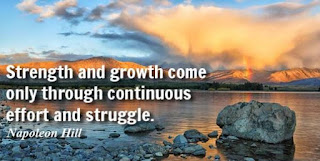
Learning: The learning during struggle and growth is key to becoming better. We learn from mistakes; we learn from the journey.

Seeing the Good: Having a positive outlook keeps us focused on hope and people. Finding the good in others and ourselves helps us find purpose to make a difference.

Dissolving the Bad: Letting go of negativity will help us stay focused on the positive and the journey to do and be better.

Forgiveness of Self and Others: Sometimes we get stuck in becoming our best because we are overtaken with anger, hurt, regret, or even guilt. It is just as important to forgive ourselves as it is to forgive others.

Repeat: Being the best that we can be means a long-life journey of risk and challenge, growth, and a commitment to seeing and being good as well as bringing out the good in others. #LeadPositive
Taking Risks: Growing and becoming better comes from taking risks and pushing ourselves to do what sometimes feels impossible. The biggest, most rewarding growth comes from the most challenging tasks.
Learning: The learning during struggle and growth is key to becoming better. We learn from mistakes; we learn from the journey.

Seeing the Good: Having a positive outlook keeps us focused on hope and people. Finding the good in others and ourselves helps us find purpose to make a difference.
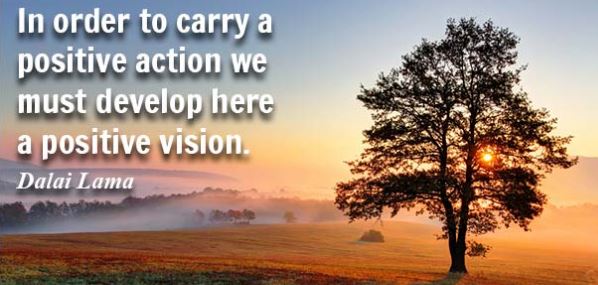
Dissolving the Bad: Letting go of negativity will help us stay focused on the positive and the journey to do and be better.

Forgiveness of Self and Others: Sometimes we get stuck in becoming our best because we are overtaken with anger, hurt, regret, or even guilt. It is just as important to forgive ourselves as it is to forgive others.

Subscribe to:
Posts (Atom)